Insulation is the upgrade homeowners ask about most and get the least straight answer on. Part of that's because the real answer depends on your garage, and part of it's because the industry has a habit of quoting energy savings numbers that nobody can back up for a specific house.
So here's the version we would give a neighbor. Southern Illinois gives a garage door a real workout. Summers are hot and humid, winters get genuinely cold, and the swing between the two is wide. Whether insulation is worth paying for comes down to what sits on the other side of that door.
What R-value actually measures
R-value measures resistance to heat moving through a material. Higher number, more resistance, better insulation. Garage doors are commonly rated from around R-6 on a basic insulated door up to around R-18 on a premium one, with non-insulated doors offering nothing but a sheet of steel between you and the weather.
Two things are worth knowing before you shop on that number alone.
First, a door's R-value is usually measured at the panel, not across the whole assembly. The seams, the perimeter, and the gaps around the edges all leak, and no rating captures that. A well-sealed R-9 door installed properly can outperform an R-13 door with a sloppy perimeter and a worn bottom seal.
Second, R-value isn't the only thing insulation does. Getting past a certain point buys you less and less on temperature, while the other benefits, which we'll get to, stay useful regardless.
How doors are actually built
Insulation on a garage door is a construction question, and doors sort into three categories.
Single layer
One sheet of steel, formed into panels, with nothing behind it. This is the entry-level door and it's what a lot of builder-grade houses got. It's the lightest and cheapest option, it has no meaningful insulating value, and it's the noisiest, because a single skin of steel is essentially a drum.
A single layer door isn't a bad door. On a detached garage that stores a mower and some yard tools, it's often exactly the right call.
Double layer
A steel skin with insulation, usually polystyrene, laid in behind it. This is the middle of the market and, for most attached garages around here, the sweet spot. You get real insulating value, a noticeable drop in noise, and a door that feels more solid without a large jump in price.
Triple layer
Steel, insulation, and a second steel skin on the inside, so the insulation is sandwiched rather than exposed. The insulation is often polyurethane, which is foamed in place, bonds to both skins, and insulates better per inch than polystyrene.
This is the strongest and quietest construction, and the back skin means the inside of the door looks finished rather than showing raw foam. It's also the heaviest, which matters because the spring system has to be sized for it.
When insulation clearly earns its keep
The garage is attached to the house
This is the big one. An attached garage shares walls, and usually a ceiling, with rooms you heat and cool. Every bit of that shared surface is a path for heat to move. When the garage sits at 15 degrees in January, the wall between it and your living room is working against your furnace all day. Bring the garage up even to something moderate and that stops being true.
If your garage is attached, insulation is the default answer, not the upgrade.
There's a room above or beside the garage
Bonus rooms over the garage are notorious for being the coldest room in winter and the hottest in summer, and the garage below is usually why. Same story for a bedroom sharing a wall. If someone sleeps in that room, an insulated door is doing double duty, because it cuts noise as well as temperature, and a garage door opening at six in the morning under a bedroom isn't a small thing.
You actually use the space
Workshop, home gym, a place to work on a car, anywhere you spend time with the door closed. An uninsulated garage in this climate is usable maybe half the year. Insulation doesn't make it a conditioned room on its own, but it makes it a space that holds whatever heat you put into it instead of shedding it in an hour.
This applies to what you store, too. Paint, adhesives, and some fluids don't do well through repeated hard freezes.
The door takes the afternoon sun
A west-facing door in August is absorbing heat for hours. A single layer steel door will radiate that straight into the garage well into the evening, and if that garage is attached, into your house. A door with insulation behind the skin slows that down considerably. Same physics as the winter case, running the other direction.
When it matters less
A detached garage used for storage is the clearest case. If nothing in there needs to stay above freezing and nobody spends time in it, you're insulating a building you're not conditioning, and there's no heating bill to affect. Spend the money on a better spring system or a nicer looking door instead.
It also matters less if the rest of the structure is uninsulated. A door with a good R-value on a garage with bare stud walls and an open ceiling is one insulated surface out of five. You'll notice something, but not what the door is capable of. If you're planning to insulate the walls eventually, the door is a reasonable place to start. If you're not, temper your expectations.
And it matters less on a garage with no ceiling separating it from a vented attic, or one with a large gap under a warped door. Fix the leaks first. Air moving freely through a gap beats any R-value on the panel.
The benefits nobody buys it for
These come along with insulated construction whether or not the temperature difference ends up mattering to you, and in our experience they're what people actually comment on afterward.
It's quieter
This is the one homeowners notice first. A single layer steel door resonates. Fill that cavity and the drum effect largely goes away. The door sounds like a solid object moving rather than a sheet of metal flexing. On a house with a bedroom over the garage, this alone is often worth it.
It's sturdier
A double or triple layer door resists dents far better than a single skin. Basketballs, car doors, a bike falling over, hail. A single layer panel dents if you lean on it wrong. The added rigidity also means the door flexes less over its width as it travels, which is easier on the hardware over the years.
The hardware tends to be better
This is a side effect of where insulated doors sit in the lineup. Heavier doors get heavier-duty tracks, better rollers, and more substantial hinges, because they have to. Buy the insulation and the better hardware tends to come with it.
What we would put on your garage
For an attached garage in southern Illinois, in our view yes, and a double layer door is usually enough. Going to triple layer makes sense when there's living space directly above or beside the garage, when you genuinely use the garage as a room, or when you want the quietest and most durable door available and the budget allows.
For a detached storage garage, a single layer door isn't a compromise, it's the sensible choice.
What we wouldn't do is promise you a specific number on your utility bill. Too much depends on your walls, your ceiling, your habits, and how leaky the rest of the building is. What we can say is that the garage will hold its temperature better and the door will be quieter.
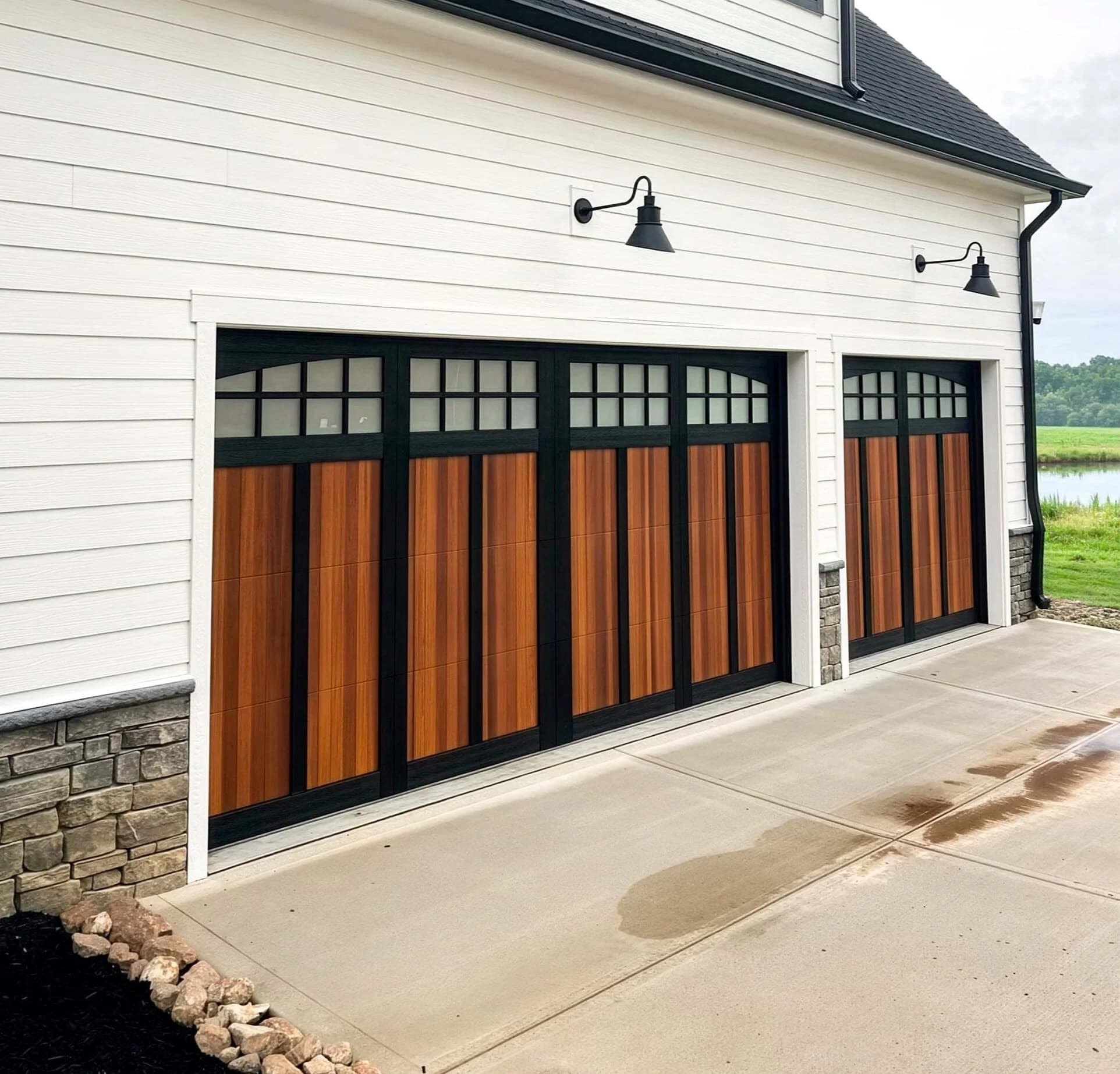
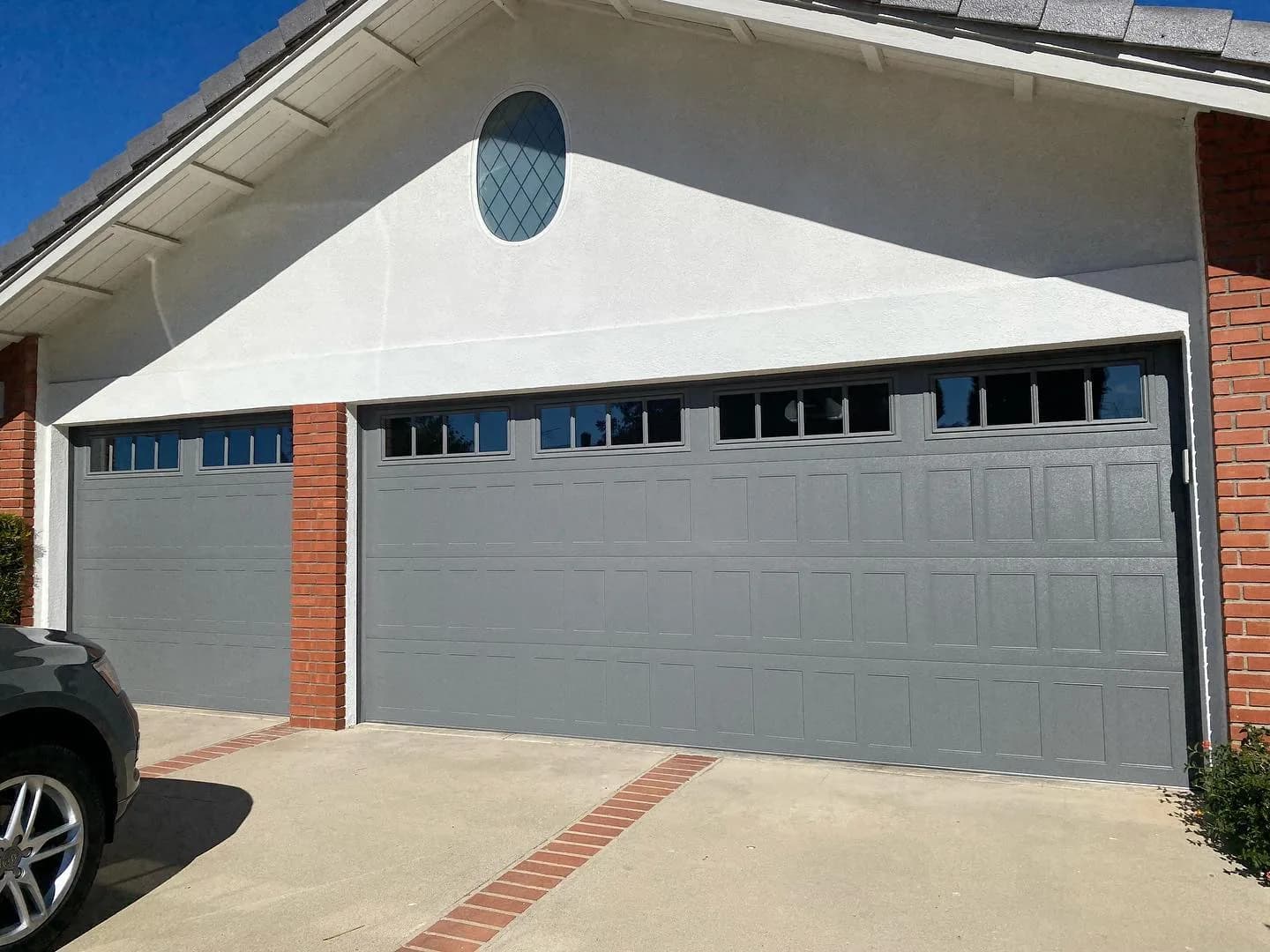
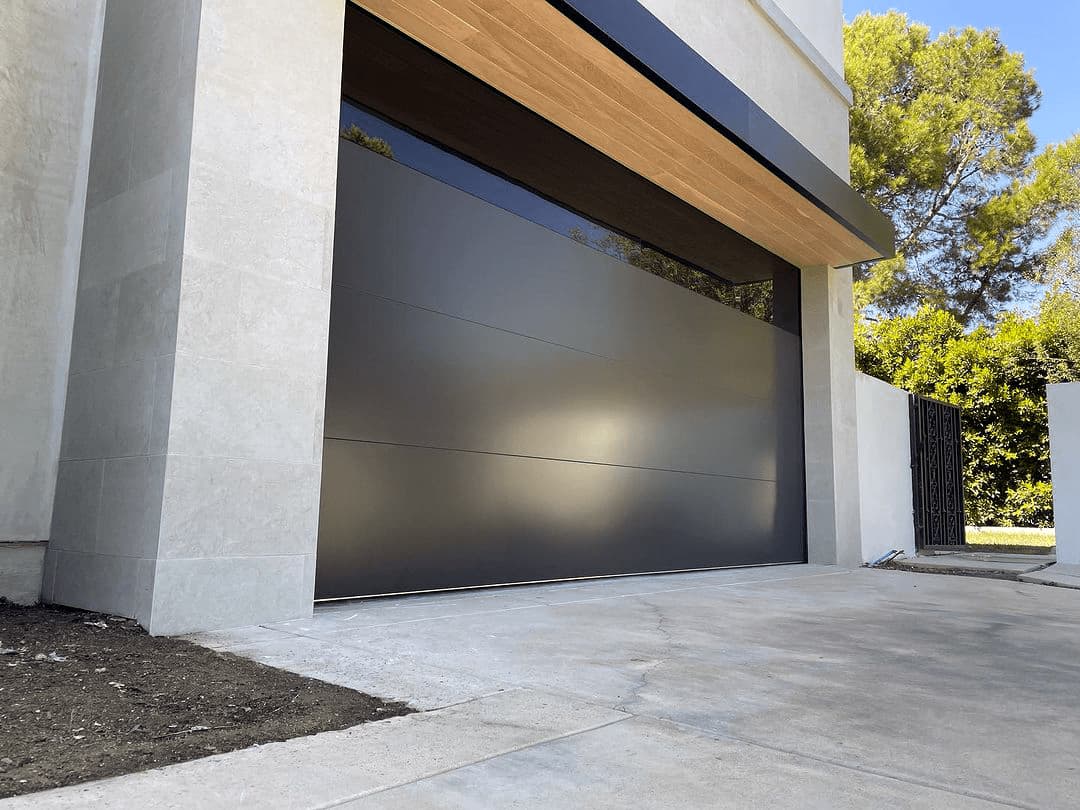
You can see the styles and constructions we install on our residential garage doors page, and typical installed price ranges are on the garage door cost guide.
If you want to talk through your specific garage, call us at (618) 526-2222 or get in touch here. No charge to have the conversation.